




 06:51 2026-05-07
Scientists say that learning new things is one of the main drivers of neuroplasticity, the brain's ability to form new neural connections. The words "live and learn" capture the idea that the constant search for discoveries is built into the human brain. That is why many people love detective stories, where you seek hidden motives and unmask suspects. Let us see how many natural "impostors" from our list you will rediscover.
 719
719 8
8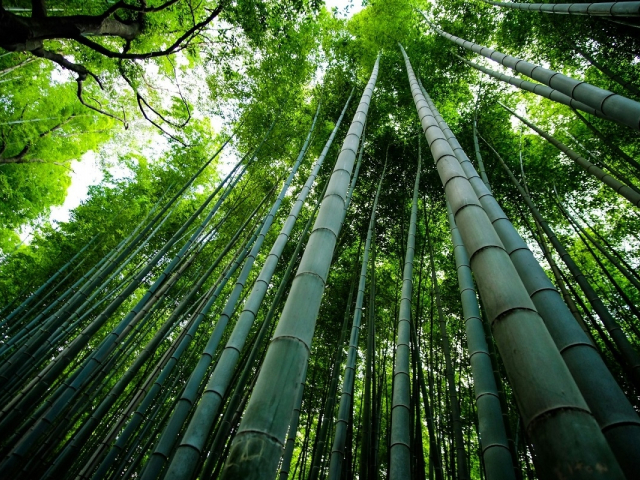
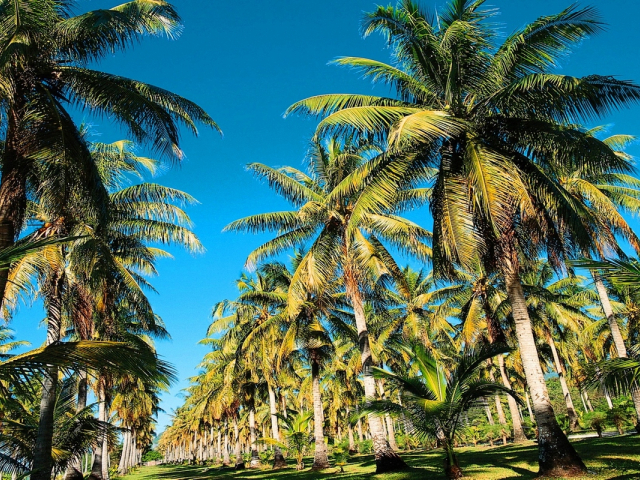
What do palm and corn have in common?
Contrary to popular belief, a palm is not a tree in the botanical sense. It is a tree-like monocotyledon—much closer, botanically, to grasses such as corn or sedge than to oak or pine. A palm has no growth rings to tell its age and no bark as we normally understand it. Its trunk is a dense bundle of fibers left from old leaves. Palms do not expand in girth throughout life: they reach their maximum diameter early and then only grow taller. In essence, a palm is the planet’s most ambitious weed that decided to reach for the sky.
Bamboo — forest or grassland?
Bamboo is often mistaken for a tree because of its toughness and height—some species reach 30–40 meters. In fact, it is an evergreen grass, a member of the grass family. It is the fastest-growing plant on Earth: some species can add one meter in a single day. Unlike trees, bamboo has a hollow stem and does not form wood. Its strength comes from a high silica content in the fibers. Surprisingly, your bamboo flooring or cutting board is technically made from the same plant family as your lawn or wheat.
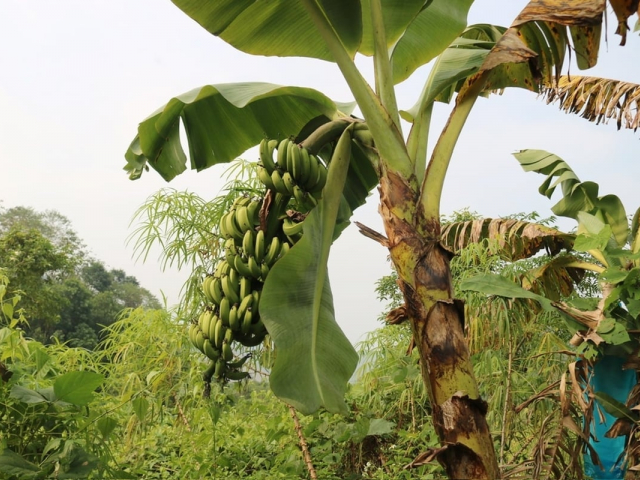
Banana — double agent
The banana is essentially a giant grass with berries on stalks. What we call the “trunk” of a banana is actually tightly packed leaf bases. The banana fruit is a true botanical berry (unlike a strawberry) because it has a skin, fleshy pulp, and seeds, though in cultivated varieties the seeds are tiny. From a scientific point of view, a banana is therefore a large herbaceous plant bearing heavy clusters of real berries.
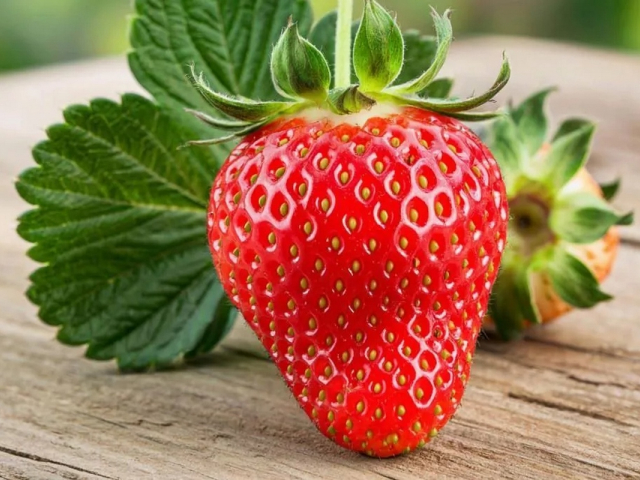
Strawberry — impostor
Speaking of strawberries, do you still think they are berries? Botanists disagree. A true berry has seeds inside (like a tomato or a banana). A strawberry is not a berry at all but an aggregate of small fruits. What we eat as fruit is an enlarged flower receptacle. The tiny seeds on the surface are the real fruits — tiny dry achenes. Ironically, bananas, watermelons, and even pumpkins are botanically berries, while strawberries and raspberries are complex aggregate fruits successfully masquerading as dessert berries.
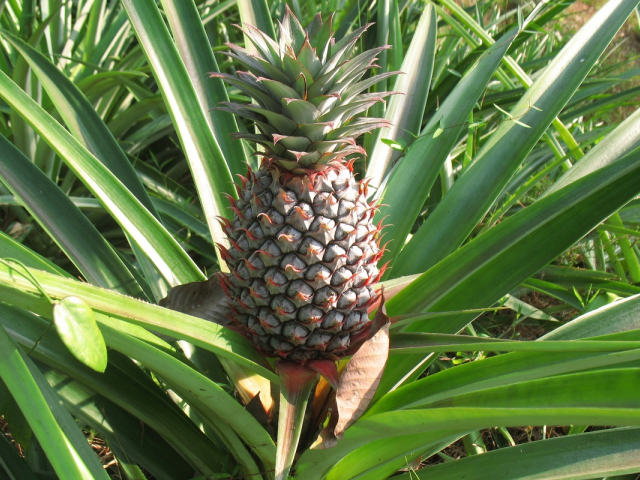
Pineapple — communal “fruit”
A pineapple does not grow on a palm. It is a herbaceous bromeliad that fruits close to the ground. The striking fact about its anatomy is that it is not a single fruit but a multiple fruit. It forms from many separate flowers, each producing a small juicy berry. During growth, these berries fuse around a common central stem to form a single compact cone. In other words, a pineapple is a tight cluster of hundreds of small berries that joined forces and added a spiky defense.
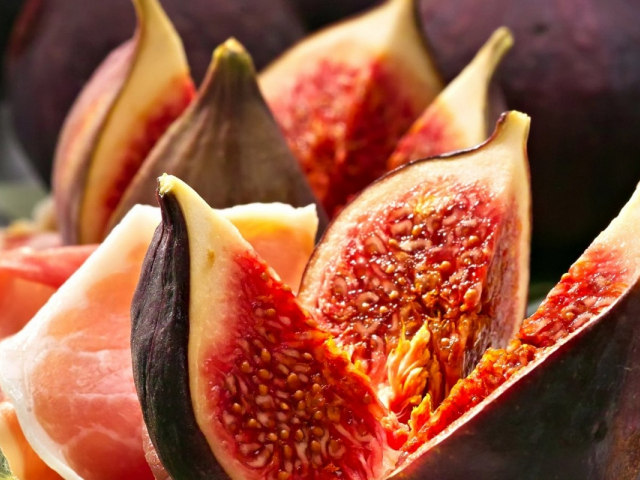
Fig — flowers turned inside out
The fig is perhaps the strangest structure on our list. It is neither a simple fruit nor a berry but a syconium — an inverted inflorescence. All its flowers live inside the fleshy sac and never see sunlight. To pollinate them, tiny wasps must crawl inside through a small opening. Inside a fig, a whole drama unfolds: wasps pollinate the flowers, lay eggs, and often die inside, and the plant digests some of the remains with enzymes. When you eat a fig, you are eating hundreds of tiny flowers sealed inside a sweet natural chamber.
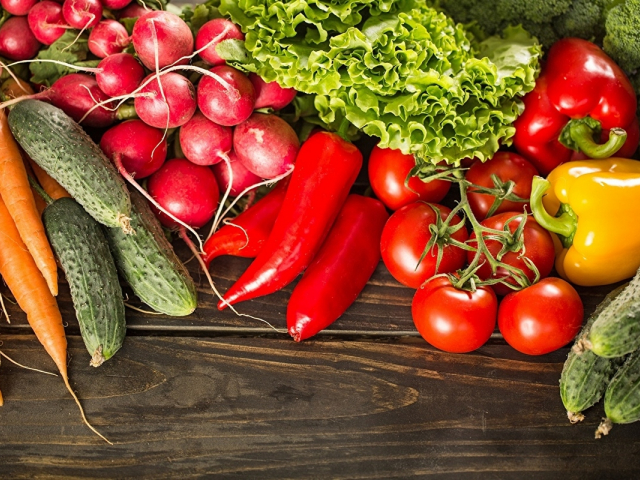
Vegetables — culinary conspirators
The term “vegetable” does not exist in botany. It is a culinary invention for non‑sweet parts of plants. This creates confusion: cucumbers, zucchini, eggplants, pumpkins, and tomatoes are fruits — more precisely, berries. Biologically, a fruit develops from a flower and contains seeds. A carrot is a root, cabbage is buds and leaves, and a potato is an underground stem (a tuber). Almost everything we chop into a salad is actually fruit diversity that got catalogued in the “vegetable” section by mistake.
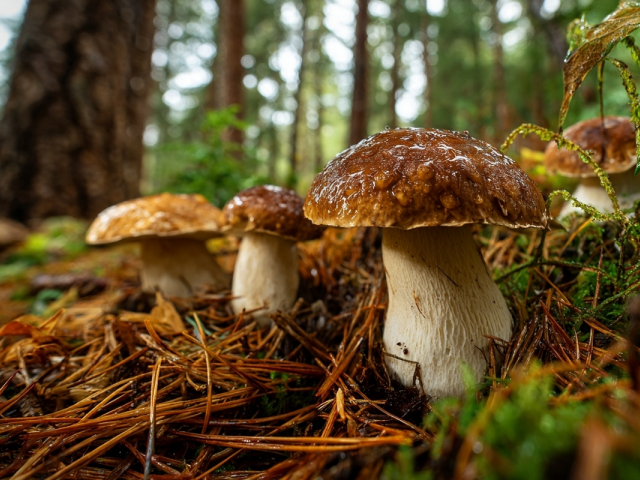
Fungi —aliens among us
Are fungi closer to plants or animals? It seems obvious to most people that they are plants. The surprise is that genetically, fungi are much closer to animals than to green plants. They lack chlorophyll and cannot feed on sunlight; they must absorb ready‑made organic matter. Fungal cell walls are made of chitin — the same material that forms the shells of crustaceans and the exoskeletons of insects. The mushroom you pick is only a small part of the organism. The main body — the mycelium — can extend for kilometers underground. Apparently, they do run — just not in the way we expect.


-
Grand Choice
Contest by
InstaForexInstaForex always strives to help you
fulfill your biggest dreams.JOIN CONTEST -
Chancy DepositDeposit your account with $3,000 and get $9000 more!
In May we raffle $9000 within the Chancy Deposit campaign!
Get a chance to win by depositing $3,000 to a trading account. Having fulfilled this condition, you become a campaign participant.JOIN CONTEST -
Trade Wise, Win DeviceTop up your account with at least $500, sign up for the contest, and get a chance to win mobile devices.JOIN CONTEST


